Indonesia's Maluku Islands, historically known as the Spice Islands, present a unique blend of history, diverse cultures, and stunning natural landscapes. These islands, located in eastern Indonesia, remain among the country's least explored destinations, offering visitors a chance to experience untouched beauty and historical depth.
Key Takeaways
- The Maluku Islands are a historical hub for the global spice trade.
- They feature diverse landscapes, including volcanoes and pristine beaches.
- The region offers a rich tapestry of local cultures.
- Despite their beauty, the islands are among Indonesia's least visited.
- Kei Kecil is known for its clear waters and natural charm.
The Historical Significance of the Spice Islands
The Maluku Islands hold a crucial place in global history. For centuries, they were the world's only source of valuable spices like cloves and nutmeg. This unique resource attracted European powers, including the Portuguese, Dutch, and British, leading to intense competition and conflict. This historical period shaped the islands' cultural identity and left behind numerous historical sites.
The pursuit of spices drove exploration and colonization efforts starting in the 16th century. European traders established forts and trading posts, aiming to control the lucrative spice trade routes. This era brought significant changes to the local populations and their way of life.
"The Maluku Islands were not just a geographical location; they were a global economic engine that fueled empires and shaped the course of international relations for centuries," states historical researcher Dr. Anya Sharma.
Echoes of the Past
Visitors to the Maluku Islands can still see remnants of this rich history. Fortresses built by colonial powers stand as silent witnesses to past struggles. These structures provide a tangible link to the period when spices were as valuable as gold.
Interesting Fact
During the 17th century, nutmeg was so valuable that a small island in the Maluku archipelago, Run Island, was once traded by the British to the Dutch for Manhattan Island.
Geographical Diversity and Natural Wonders
Geographically, the Maluku Islands are a sprawling archipelago. They are situated between Sulawesi Island to the west, West Papua province to the east, and Australia to the south. This location contributes to their unique biodiversity and varied landscapes.
The islands are characterized by rugged terrain, lush rainforests, and active volcanoes. Many islands are fringed with aquamarine waters and white sand beaches, making them attractive for nature enthusiasts and those seeking quiet coastal environments.
The region is part of the Coral Triangle, an area recognized for its exceptional marine biodiversity. This makes the waters around the Maluku Islands ideal for diving and snorkeling, offering encounters with diverse marine life and vibrant coral reefs.
Volcanic Landscapes
Volcanic activity has played a significant role in shaping the Maluku Islands. Many islands feature towering volcanic peaks, some of which are still active. These volcanoes contribute to the fertile soil, allowing for rich agricultural production, including the very spices that made the islands famous.
Geological Context
Indonesia sits on the Pacific Ring of Fire, a zone of high volcanic and seismic activity. This geological setting is responsible for the numerous volcanoes across the Indonesian archipelago, including those found in the Maluku Islands.
Exploring the Undiscovered Beauty of Kei Kecil
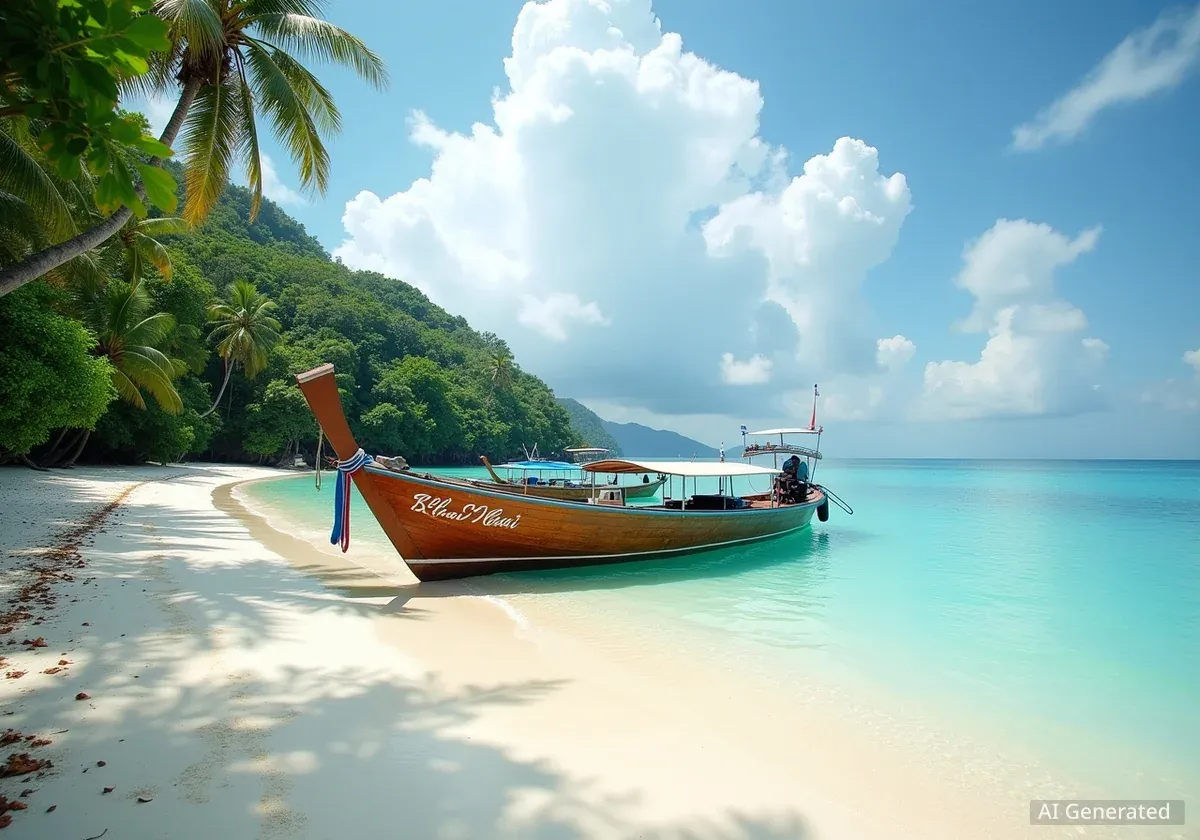
Among the numerous islands, Kei Kecil stands out for its serene beauty and clear waters. It is one of the many jewels within the Maluku archipelago. Gliding through its turquoise waters offers a peaceful experience, far removed from crowded tourist destinations.
Kei Kecil is known for its long, unspoiled beaches and traditional villages. The island provides a glimpse into local life, where fishing and traditional crafts are still central to the community's economy and culture.
- Beaches: Kei Kecil boasts pristine white sand beaches like Pasir Panjang, stretching for kilometers.
- Marine Life: The surrounding waters are rich in marine biodiversity, ideal for snorkeling and free diving.
- Local Culture: Visitors can experience the unique customs and hospitality of the Kei people.
- Relaxation: The island offers a tranquil escape, perfect for those seeking peace and natural beauty.
Sustainable Tourism Efforts
As interest in these remote islands grows, local communities and authorities are working to ensure that any tourism development is sustainable. The goal is to protect the natural environment and cultural heritage while allowing visitors to experience the islands' unique charm responsibly.
Efforts include promoting eco-tourism activities and supporting local businesses that adhere to environmentally friendly practices. This approach helps preserve the pristine condition of places like Kei Kecil for future generations.
Cultural Richness and Local Life
The Maluku Islands are a melting pot of cultures. Over centuries, various ethnic groups have settled here, influenced by indigenous traditions, as well as Arab, Indian, Chinese, and European traders and colonizers. This blend has created a unique cultural tapestry evident in the islands' languages, music, dance, and cuisine.
Local communities often live in traditional villages, maintaining customs passed down through generations. Visitors have the opportunity to interact with residents and learn about their way of life, which often revolves around the sea and the land.
The hospitality of the Maluku people is a notable aspect of their culture. Guests are often welcomed warmly, providing an authentic and enriching travel experience. This personal connection distinguishes a visit to the Maluku Islands from more commercialized destinations.
Traditional Cuisine
Maluku cuisine reflects the islands' history and geography. Seafood is a staple, often prepared with local spices and fresh ingredients. Dishes often feature a blend of sweet, sour, and spicy flavors, showcasing the region's culinary heritage.
Culinary Highlight
One popular local dish is Ikan Kuah Kuning, a flavorful fish soup made with turmeric and other spices, often served with sago, a local starch.
Accessibility and Future Outlook
Despite their appeal, the Maluku Islands remain one of Indonesia's least visited regions. This is partly due to their remote location and less developed infrastructure compared to more popular destinations like Bali.
However, this limited accessibility also contributes to their preserved natural state. Efforts are underway to improve transportation links and tourist facilities, aiming to make the islands more accessible without compromising their unique character.
The Indonesian government recognizes the potential of the Maluku Islands for tourism development. Plans focus on promoting sustainable tourism that benefits local communities and protects the environment. This includes improving air and sea connectivity and developing eco-friendly accommodations.
As more travelers seek authentic and off-the-beaten-path experiences, the Maluku Islands are likely to gain increasing recognition. Their combination of historical depth, stunning natural beauty, and vibrant cultures offers a compelling destination for adventurous explorers.
Growth Potential
The region has seen a steady, albeit slow, increase in tourist arrivals over the past five years. According to regional tourism data, visitor numbers have grown by approximately 5% annually, primarily from niche markets interested in diving, history, and cultural immersion.
This growth is expected to continue as infrastructure improves and awareness of the islands' unique offerings spreads through specialized travel media and word-of-mouth recommendations.