
The way people travel is changing, moving beyond simple sightseeing to embrace deeper experiences and sustainable practices. Post-pandemic shifts show travelers are prioritizing meaningful connections with local cultures, avoiding crowded destinations, and seeking more personalized, stress-free trips.
Key Takeaways
- Travelers increasingly seek authentic, experience-led trips.
- Interest in secondary cities and off-peak travel is growing to combat overtourism.
- All-inclusive packages are evolving to offer curated, decision-light experiences.
- Wellness travel is expanding into science-backed longevity and mental health programs.
- AI is becoming key for both travelers booking trips and hotels personalizing stays.
Experience-Led Journeys Gain Popularity
Travelers are no longer content with merely checking off landmarks. The focus has shifted towards creating memorable experiences that foster a connection with the people and places visited. This evolution in travel preferences has become more pronounced since the end of the global pandemic.
Research indicates a strong movement away from traditional tourist hubs. Instead, travelers are exploring destinations that offer a more immersive cultural experience. This approach helps to support local economies and provides a richer understanding of the area.
Did You Know?
Online travel platform Agoda reports that accommodation searches in Asia’s secondary destinations are growing 15% faster than in traditional tourism hubs.
Avoiding Overtourism and Embracing Shoulder Seasons
A significant trend involves travelers actively avoiding peak seasons and heavily visited destinations. This choice helps to reduce the impact of overtourism, which can strain local resources and diminish the authenticity of an experience. It can also lead to cost savings.
Climate change is also influencing travel decisions. Many travelers are adjusting their plans in response to environmental concerns. This often translates into a preference for destinations with moderate weather conditions.
Forty-five percent of advisors from travel agency Virtuoso state their clients are adjusting plans due to climate change. Of those advisors, 76% report increased interest in shoulder-season or off-peak travel.
Governments are recognizing this shift. For example, Indonesia has launched its “Tourism 5.0” strategy. This initiative aims to develop five new “super priority” secondary destinations, redirecting tourism beyond the popular island of Bali. Japan is also promoting regional campaigns to disperse visitors away from major cities like Tokyo.
What is a 'Secondary City'?
Secondary cities are urban areas outside of major tourist centers. They often offer a more authentic local experience, fewer crowds, and can be more budget-friendly. These cities play a vital role in distributing tourism benefits more widely.
The Rise of Decision-Light All-Inclusive Travel
Modern travelers often feel mentally exhausted even before their trip begins. This has led to a growing demand for all-inclusive travel packages that simplify planning. Travelers are increasingly entrusting agencies or hotels to make key decisions for them.
The goal is to eliminate cognitive overload, allowing travelers to fully relax and switch off. This trend is particularly popular among those with limited time and high-stress lives. It represents a significant shift from the traditional all-inclusive model, which focused primarily on efficiency.
Tara Schwenk, senior director of digital strategy at Lemongrass Marketing, noted that travelers "want someone they trust to make good choices for them, so they can properly switch off." She added that "decision-light travel is no longer a niche wellness add-on, it’s becoming a core expectation."
This desire for curated choices has reshaped high-end travel. Luxury companies are now offering packages that free ultra-luxury travelers from concerns about additional costs or logistical planning during their trips.
Wellness and Generational Travel Trends
Wellness travel continues to expand, moving beyond traditional spa packages. New offerings include science-backed longevity programs and trips focused on mental health. Examples range from Ayurvedic programs in India to yoga-and-surf escapes in Costa Rica and silent retreats in Canada.
Many travelers view these wellness trips as long-term health investments. This appeal extends across different age groups and budgets, from nature-focused budget trips to high-end “healthy wealthy” experiences. It is also popular among solo travelers, couples, and both older and younger demographics.
Youth Travel Insights
Two-thirds of U.S. travelers under 35 prefer active trips like hiking, rafting, and cycling. Over 50% believe in maintaining a wellness routine while traveling.
Younger travelers are also seeking nostalgic vacations, aiming to recreate childhood trips. Nearly 8 in 10 Americans under 35 either have or want to revisit a memorable trip from their youth.
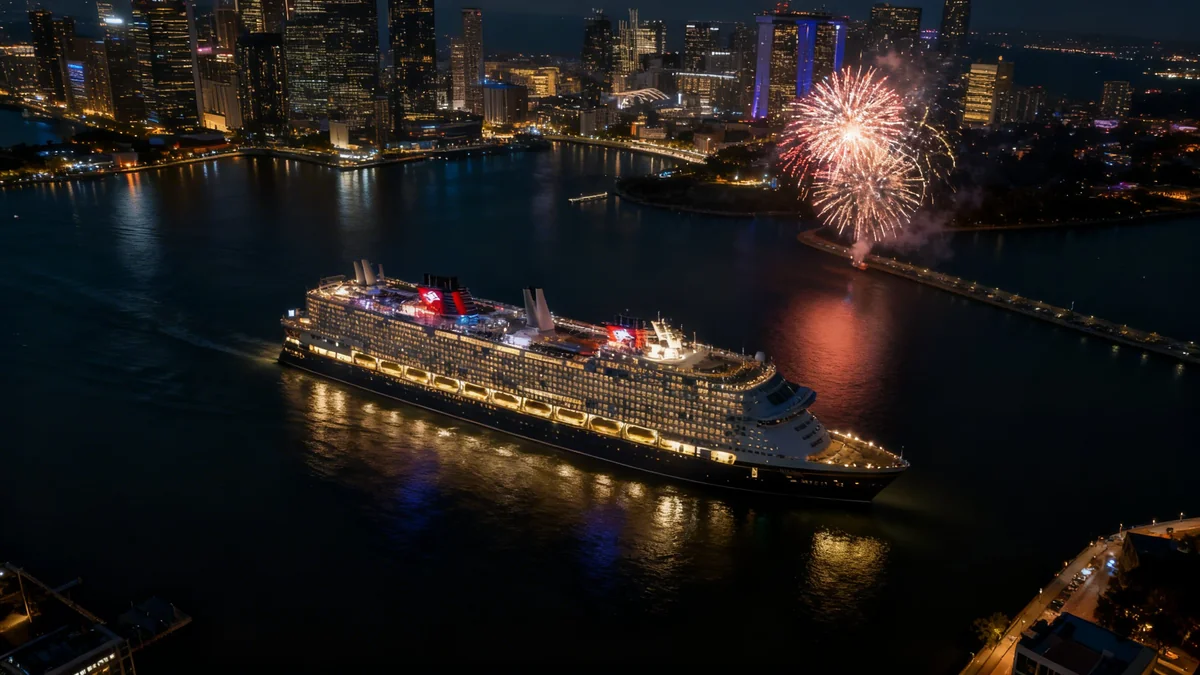
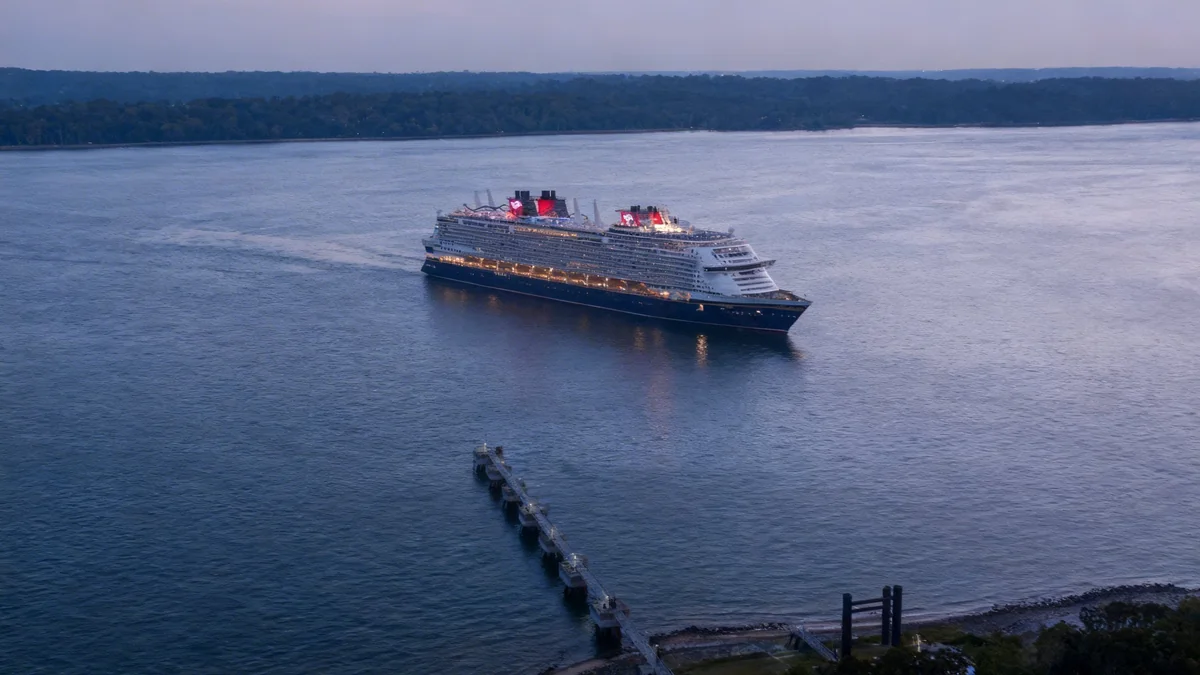
Meanwhile, new retirees are embracing “golden gap year” trips. This group, including the oldest members of Gen X, is taking extended, more adventurous journeys. These trips, often overland or via cruise ship, reflect a newfound freedom and a desire for exploration.
The Role of AI in Personalizing Travel
Artificial intelligence is becoming an integral part of the travel experience. Travelers are using AI to book trips, while hotels are leveraging it to understand their guests better. The industry is moving towards predicting guest wants before they even arrive.
Hotels are beginning to use predictive intelligence to personalize stays. This means anticipating guest preferences and tailoring experiences accordingly. Some establishments already allow guests to customize every detail of their room, from adding specific exercise equipment to choosing a room closer to dining facilities.
An industry report by Amadeus notes that "as AI accelerates, personalization will no longer be a nice-to-have but the default operating system of choice."
This technological advancement promises a future where every trip is uniquely adapted to the individual traveler, making each journey more seamless and enjoyable.