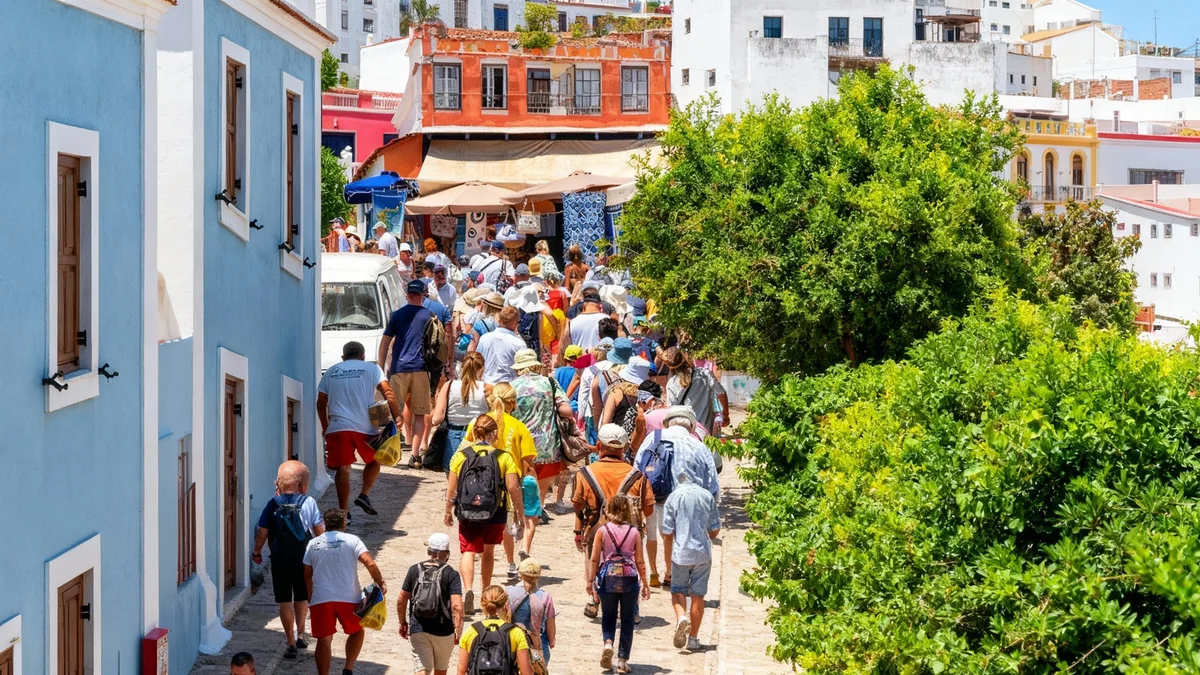
Greece's iconic islands risk losing their global appeal as record visitor numbers push existing infrastructure to its limits. A new report from the National Bank of Greece warns that significant investment is crucial to prevent long-term damage to the islands' tourism sector.
The report highlights critical deficiencies in essential services, including transport, energy, water, and waste management. These issues become particularly severe during peak tourist seasons, affecting both visitors and local residents.
Key Takeaways
- Greece needs €35 billion in infrastructure investment over ten years for its islands.
- Current spending is €15 billion below the required level.
- Islands account for nearly half of Greece's foreign tourists, with 16 million arrivals since 2009.
- Peak season visitor density reaches 33 people per square kilometer daily.
- Improved governance and local fund reinvestment are essential for success.
The Growing Infrastructure Deficit
The National Bank of Greece's recent analysis underscores a critical issue facing the nation's most popular tourist destinations. Infrastructure across the islands is struggling to keep pace with the massive influx of visitors.
Frequent power outages, water shortages, failing sewage systems, and inadequate roads are common complaints during the high season. Port facilities, vital for island connectivity, are also outdated in many areas.
"Greece, while remaining atop global tourism rankings, must maintain its attractiveness through modern, resilient infrastructure," the report stated, emphasizing the urgent need for action.
Did You Know?
Greek islands now welcome nearly half of all foreign tourists visiting Greece. This represents a doubling of arrivals to 16 million since 2009.
Investment Needed to Avert Crisis
The report estimates that a substantial investment of €35 billion is required over the next decade. This figure aims to modernize and expand the critical infrastructure. Current spending levels fall short by approximately €15 billion, signaling a significant gap that needs urgent attention.
To address seasonal population surges and higher operational costs, annual spending must increase from the current €2 billion to €3.5 billion.
Rising Visitor Density and Carrying Capacity Concerns
The popularity of Greek islands has led to unprecedented visitor density. During peak months, some islands experience as many as 33 visitors per square kilometer daily. This figure is significantly higher than on mainland Greece or in other Mediterranean tourist regions.
This high density puts immense pressure on local resources and services. Without proper upgrades, the islands' "carrying capacity" could be compromised, meaning they can no longer comfortably or sustainably host current visitor numbers.
What is Carrying Capacity?
Carrying capacity in tourism refers to the maximum number of people that a tourist destination can support without causing damage to the environment, economy, culture, or quality of the visitor experience.
Economic Benefits of Timely Investment
Investing in infrastructure is not just about addressing problems; it also presents a significant economic opportunity. If these investments proceed as recommended, the island's GDP could rise from €24 billion to €30 billion by 2035.
Tourism revenues could also see a substantial boost, growing by 45% and adding an estimated €5 billion annually to the Greek economy. This highlights the long-term economic dividends of strategic infrastructure development.
Governance and Funding Challenges
Beyond the financial investment, the report identifies serious governance gaps. It calls for the creation of a central authority. This body would oversee planning, tender processes, and project delivery for island infrastructure.
Currently, island municipalities collect around €400 million yearly from accommodation and cruise fees. However, a significant portion of these funds often flows back to the central government rather than being reinvested locally.
Recommendations for Funding and Oversight
- Full Reinvestment: The report advocates for the full reinvestment of locally collected tourism funds back into island infrastructure projects.
- Private Capital: Mobilizing private sector investment is crucial to supplement public funds.
- EU Grants: Leveraging European Union grants can provide additional financial support.
- EIB Loans: Loans from the European Investment Bank (EIB) are another potential funding source.
Without effective governance structures, resources risk remaining "trapped in plans" rather than transforming into functional infrastructure. The future of Greece's island tourism depends on both financial commitment and streamlined project execution.
Addressing these challenges proactively will ensure the Greek islands remain a top global destination, preserving their natural beauty and visitor experience for generations to come.