Bay Area transit agencies have begun the transition to a new fare system with the rollout of the 'Next Generation Clipper Card.' This upgrade aims to modernize payment methods and simplify transfers across the region's public transportation network. Commuters can expect a more streamlined experience, including faster reloads and automatic transfer discounts.
Key Takeaways
- New Clipper cards offer contactless payments using credit/debit cards, mobile wallets, or physical cards.
- Over two dozen Bay Area transit agencies will adopt the new system.
- Instant fund reloads eliminate previous processing delays.
- Automatic discounts apply for transfers between different transit systems.
- Family accounts will allow parents to manage children's cards.
Modernizing Public Transit Payments
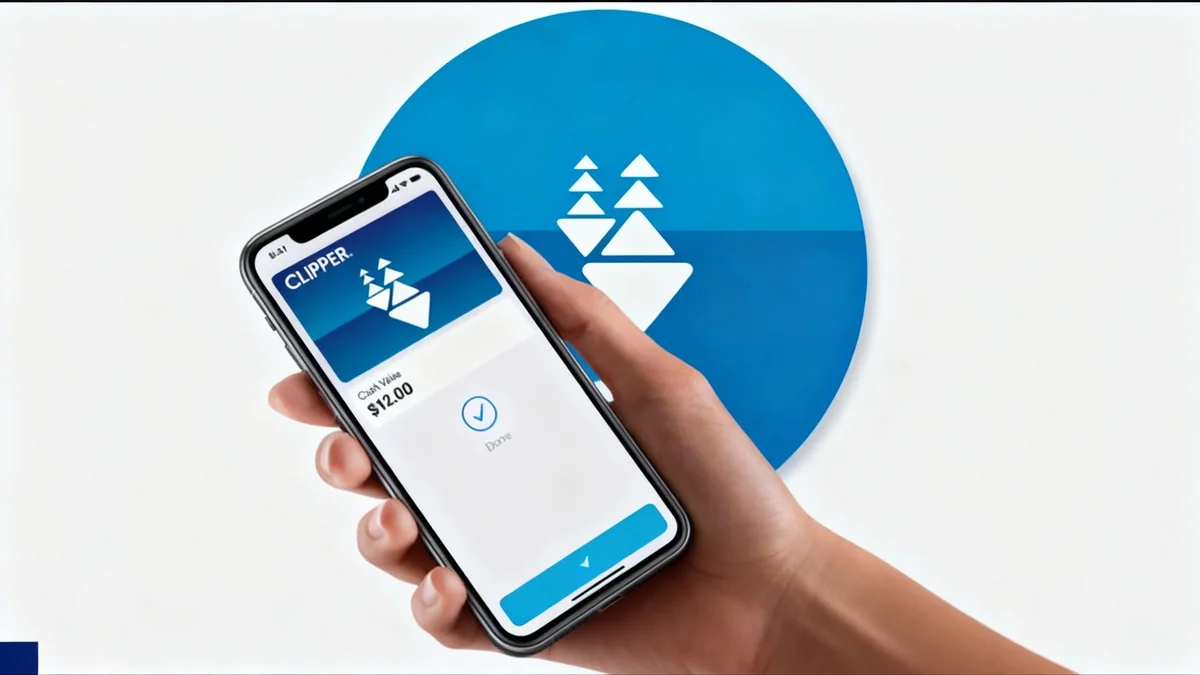
The Metropolitan Transportation Commission (MTC) officially launched an eight- to 12-week process to migrate millions of riders to the updated platform. This initiative follows BART's initial offering of new payment options over the summer, which allowed passengers to pay fares using contactless credit or debit cards, mobile wallets, or a physical Clipper card.
Officials state that the full transition seeks to improve the rider experience. It also aims to reduce wait times when commuters add funds to their accounts. This system represents a significant step forward in making public transit more accessible and efficient for everyone in the Bay Area.
Did You Know?
More than two dozen transit agencies across the Bay Area will eventually integrate the Next Generation Clipper Card system. This includes major operators such as Muni, Caltrain, AC Transit, the San Francisco Bay Ferry, and VTA.
Instant Reloads and Seamless Transfers
One of the most notable improvements with the Next Generation system is the introduction of instant reloads. Previously, adding money to a Clipper account could involve delays of several days before funds became available. This new feature eliminates that waiting period, allowing riders immediate access to their funds.
For commuters who frequently transfer between different transit agencies, the new system offers automatic discounts. Riders will pay the full fare on their initial ride, then receive reduced fares when boarding a second transit system. This applies when switching from one system, like BART, to another, such as Muni.
"The Next Generation system will offer instant reloads, eliminating delays of several days before added money appears in an account."
New Features for Families
The updated Clipper platform also introduces new family accounts. These accounts will allow parents to manage their children's Clipper cards, simplifying travel for families. While the initial rollout primarily focuses on adult fares, discounted youth and senior cards will remain accessible online.
The transition is expected to be gradual due to millions of existing Clipper cards currently in circulation. Riders who wish to upgrade sooner can do so through the official Clipper website. This phased approach ensures a smooth shift for all users.
Background on Clipper
The Clipper card has served as the Bay Area's primary transit fare payment system for many years, consolidating payments across multiple agencies. This 'Next Generation' upgrade represents the most significant modernization of the system since its inception, integrating new technologies to meet contemporary commuter needs.
Impact on Commuters
The new system promises to enhance convenience for daily commuters. The ability to use contactless credit or debit cards and mobile wallets means riders have more payment flexibility. This reduces the reliance on physical cards and the need to pre-load funds at stations.
The automatic transfer discounts are particularly beneficial for those who use multiple modes of transport. This feature encourages more integrated use of public transit, potentially leading to increased ridership across the network. It also simplifies fare calculation, removing the need for riders to track complex transfer rules.
What to Expect During the Transition
Officials advise that some new features may not be immediately available to all users, depending on their chosen payment method. The full rollout will take several weeks, and the MTC encourages riders to check the Clipper website for the latest updates and information on how to upgrade their cards.
This phased implementation strategy is common for large-scale infrastructure upgrades involving millions of users. It allows for adjustments and ensures stability as the new system becomes fully operational across the entire Bay Area transit network. The goal is a seamless experience for all, from casual riders to daily commuters.
- Check the Clipper website for upgrade options.
- Be aware that some features may roll out gradually.
- Continue using existing Clipper cards until ready to upgrade.