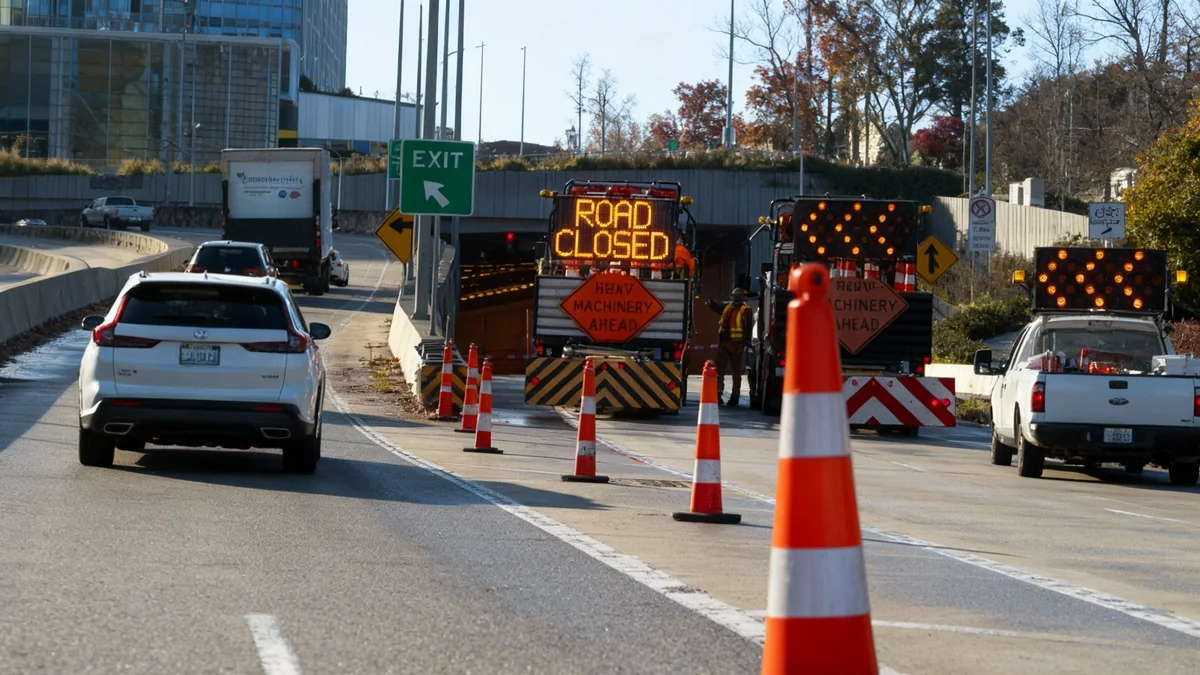
The Highway 99 tunnel in Seattle reopened to traffic today after a power outage forced its complete closure for several hours. This marks the first time the 2-mile tunnel beneath downtown Seattle has fully shut down since its opening nearly seven years ago. The incident caused significant traffic delays across the city, impacting morning commutes.
Key Takeaways
- Highway 99 tunnel closed for the first time since 2019 opening.
- Power outage was the cause of the three-hour shutdown.
- Commutes extended significantly, with some drivers reporting delays over an hour.
- Traffic gridlock spread across West Seattle Bridge and surrounding areas.
Morning Commute Disruption
Early Thursday morning, Seattle commuters faced major delays as the Highway 99 tunnel experienced an unprecedented full closure. A power outage was identified as the reason for the shutdown. The tunnel, a critical artery for downtown traffic, had been operating without incident for almost seven years.
Drivers reported commutes that typically take 20 minutes stretching well beyond the hour mark. The sudden closure created a ripple effect across the city's transportation network, leading to widespread congestion.
Tunnel Fast Facts
- Length: Approximately 2 miles (3.2 kilometers)
- Opened: Early 2019
- Purpose: Replaced the Alaskan Way Viaduct, carrying State Route 99 beneath downtown Seattle.
- Daily Traffic: Handles tens of thousands of vehicles daily.
Traffic Backs Up for Miles
The impact of the tunnel's closure was immediately visible on traffic cameras. Gridlock extended across the West Seattle Bridge and reached areas like Alaska Junction. Authorities quickly closed the eastbound West Seattle Bridge offramp to northbound Highway 99 to manage the flow.
Traffic also backed up nearly to the First Avenue Bridge, a distance of almost 4 miles. This widespread congestion highlighted the tunnel's importance to the region's daily transportation.
"The sudden closure of such a vital route significantly impacted thousands of commuters. Our teams worked quickly to assess the situation and restore operations safely."
Restoration Efforts and Reopening
Emergency crews and transportation officials worked to address the power outage. Their efforts focused on restoring power and ensuring the tunnel was safe for vehicular traffic.
After approximately three hours, the Highway 99 tunnel reopened. While the immediate crisis passed, the event served as a reminder of the fragility of urban infrastructure and the potential for widespread disruption from a single point of failure.
Understanding Tunnel Operations
How Modern Tunnels Function
Modern tunnels like Highway 99 rely on complex systems for safe operation. These include ventilation, lighting, emergency communication, and traffic control. All these systems are powered by electricity. A power outage can disable these critical functions, making a full closure necessary for public safety.
Backup power systems, such as generators, are typically in place for such events. The investigation into why these systems did not prevent a full shutdown is likely to follow.
Future Implications for Seattle Commutes
This incident will likely prompt a review of the tunnel's power infrastructure and emergency protocols. Maintaining critical transportation links is paramount for urban centers like Seattle. Ensuring robust backup systems and clear communication strategies for commuters remains a key challenge.
The event also underscores the need for diverse transportation options and resilient infrastructure. As cities grow, the reliance on a few major routes can lead to significant vulnerabilities during unexpected disruptions.
- Impact on Public Transit: Bus routes that use or cross the affected areas also experienced severe delays.
- Economic Cost: Extended commute times can lead to lost productivity and economic impact for businesses.
- Lessons Learned: The incident provides valuable data for improving emergency response and communication during future infrastructure failures.