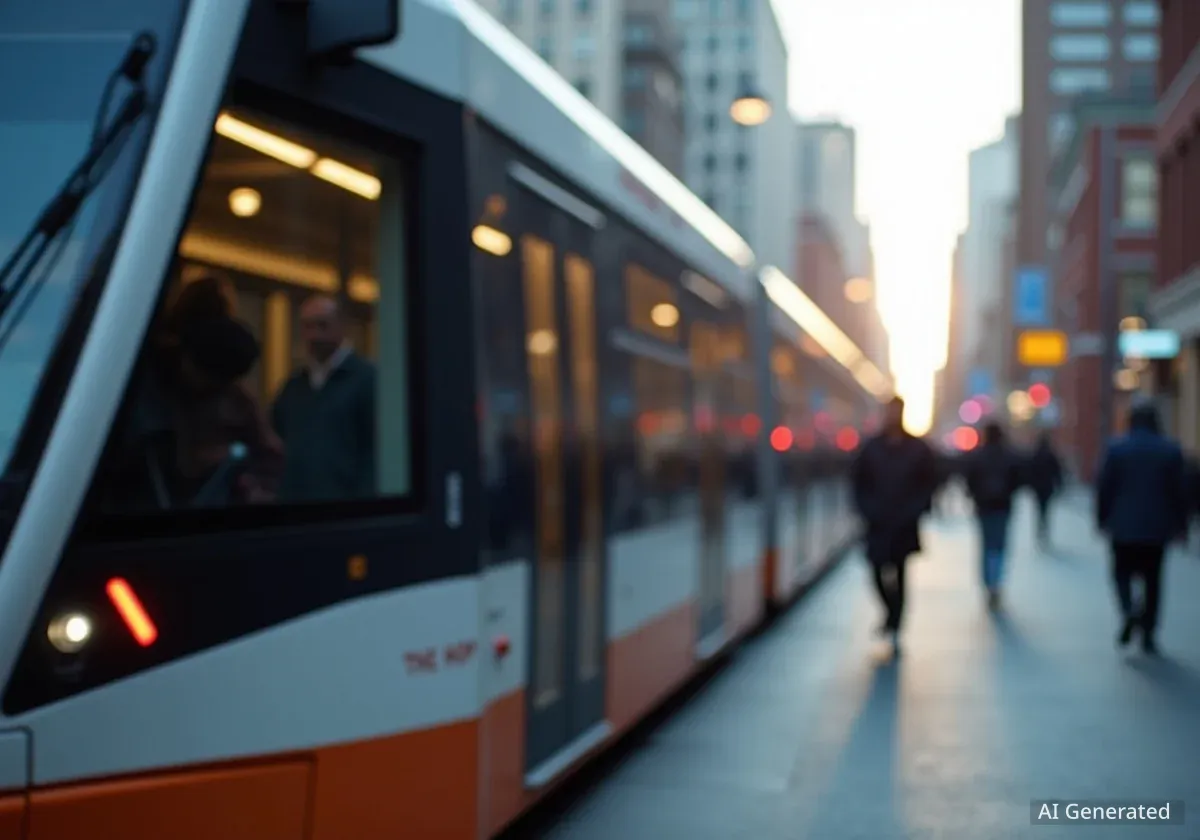
Milwaukee's city-operated streetcar, known as The Hop, has become the center of a local financial debate. Alderman Scott Spiker has called for its shutdown, citing an annual cost to taxpayers of approximately $4 million. This proposal has sparked discussion among city officials regarding the streetcar's economic impact and its role in downtown development.
Key Takeaways
- Alderman Scott Spiker proposes shutting down The Hop streetcar.
- The streetcar costs Milwaukee taxpayers about $4 million annually.
- Proponents argue The Hop boosts downtown property values and tax revenue.
- Opponents suggest funds could be better used for public services.
The Hop's Annual Cost and Public Services
Alderman Spiker argues that the $4 million annual expenditure on The Hop could be reallocated. He suggests these funds could support essential city services. These services include street repairs, public libraries, and public safety initiatives. The debate highlights a tension between infrastructure projects and immediate community needs.
The annual operating cost is a significant point of contention. Critics believe that public money should prioritize direct services that benefit a wider range of citizens. This perspective emphasizes the immediate impact of city spending on daily life.
"The Hop is costing Milwaukee taxpayers around $4 million annually. That could be better used to help pay for street repairs, libraries, public safety and other services," Alderman Spiker stated, emphasizing his view on fiscal priorities.
Did You Know?
The Hop streetcar runs a 2.1-mile route through downtown Milwaukee, connecting various neighborhoods and attractions. It began operations in November 2018.
Property Values and Economic Development
Conversely, defenders of The Hop, including Common Council members Robert Bauman and Peter Burgelis, emphasize its economic benefits. They argue that the streetcar contributes to an increase in downtown property values. This rise in property values, in turn, generates more property tax revenue for the city. This revenue then helps fund various city services.
The argument suggests that The Hop is not just a transportation system but also an economic development tool. It aims to attract investment and residents to the downtown area. This long-term economic strategy contrasts with the immediate cost concerns raised by critics.
Impact on Downtown Real Estate
Studies often link improved public transit to increased property values in surrounding areas. The presence of a streetcar system can make an area more attractive to developers and businesses. It can also appeal to residents seeking convenient urban living. This can lead to new construction and renovation projects, further boosting the tax base.
The discussion around The Hop reflects a common challenge for urban centers. Cities must balance the upfront costs of infrastructure with potential long-term economic gains. The perceived return on investment is a critical factor in these decisions.
The Hop's Background
Milwaukee's streetcar project was initially proposed to enhance connectivity and stimulate economic growth in the downtown core. It aimed to provide a modern transit option for residents and visitors, supporting local businesses and development.
The Debate on Funding Priorities
The ongoing debate over The Hop's funding highlights differing philosophies on urban investment. Some officials prioritize direct, tangible services like road maintenance and public safety. Others see value in catalytic projects that foster broader economic growth and urban revitalization.
Common Council members Bauman and Burgelis point to the indirect benefits. They believe the streetcar's role in boosting property values is a legitimate way to generate revenue for services. This perspective views The Hop as an investment rather than solely an expense.
Public Opinion and Future Decisions
Public opinion on The Hop remains divided. Some residents appreciate the convenience and modern aesthetic it brings to the city. Others question its necessity, especially when faced with calls for increased funding for other public services. The outcome of this debate could significantly impact Milwaukee's urban development strategy.
The Common Council will likely face a complex decision. They must weigh the immediate financial burden against the potential long-term economic advantages. The future of The Hop will depend on how these competing priorities are ultimately reconciled.
- Direct Costs: Approximately $4 million annually.
- Proposed Alternatives: Street repairs, libraries, public safety.
- Economic Benefits Cited: Increased downtown property values, higher tax revenue.
- Key Supporters: Common Council members Robert Bauman and Peter Burgelis.
The Broader Picture of Urban Transit
Milwaukee is not unique in facing challenges with urban transit funding. Many cities grapple with the costs and benefits of streetcar or light rail systems. These systems often require substantial public investment upfront and ongoing operational subsidies. However, they are also seen as vital for modern urban planning and sustainable growth.
The discussion in Milwaukee mirrors national conversations about infrastructure. It covers how cities can best allocate resources to improve quality of life and economic vitality. The debate will likely continue as the city evaluates its financial health and long-term goals.