Drivers on two of New Jersey's busiest highways will face higher costs starting January 1st. State transportation authorities have approved a 3% toll increase for both the New Jersey Turnpike and the Garden State Parkway, a move intended to fund a range of operational and capital needs.
The adjustment will add approximately 16 cents to the average trip on the Turnpike and 8 cents at the main toll plazas on the Parkway. Officials state the new revenue is essential for maintaining the roadways and supporting infrastructure projects.
Key Takeaways
- A 3% toll increase will take effect on the New Jersey Turnpike and Garden State Parkway on January 1, 2026.
- The average toll will rise by 16 cents on the Turnpike and 8 cents at Parkway barrier plazas.
- Officials cite maintenance, operating costs, and employee compensation as reasons for the hike.
- The increase is expected to generate over $2.3 billion in annual revenue.
- A petition from the National Motorists Association urges Governor Phil Murphy to veto the increase before his term ends.
Details of the Toll Adjustment
Commuters and travelers using New Jersey's major toll roads will need to adjust their budgets for the new year. The 3% rate hike applies across the board, affecting all vehicle classes on both the New Jersey Turnpike and the Garden State Parkway. This marks another incremental increase in the cost of travel within the state.
For the typical passenger vehicle, the impact may seem small on a per-trip basis. An average journey on the Turnpike will cost an additional 16 cents. Similarly, passing through a main barrier toll plaza on the Garden State Parkway will cost an extra 8 cents. However, for daily commuters, these small amounts can accumulate into a significant monthly expense.
Toll Hike by the Numbers
- Rate Increase: 3%
- Affected Roads: New Jersey Turnpike, Garden State Parkway
- Effective Date: January 1, 2026
- Average Turnpike Increase: 16 cents
- Parkway Plaza Increase: 8 cents
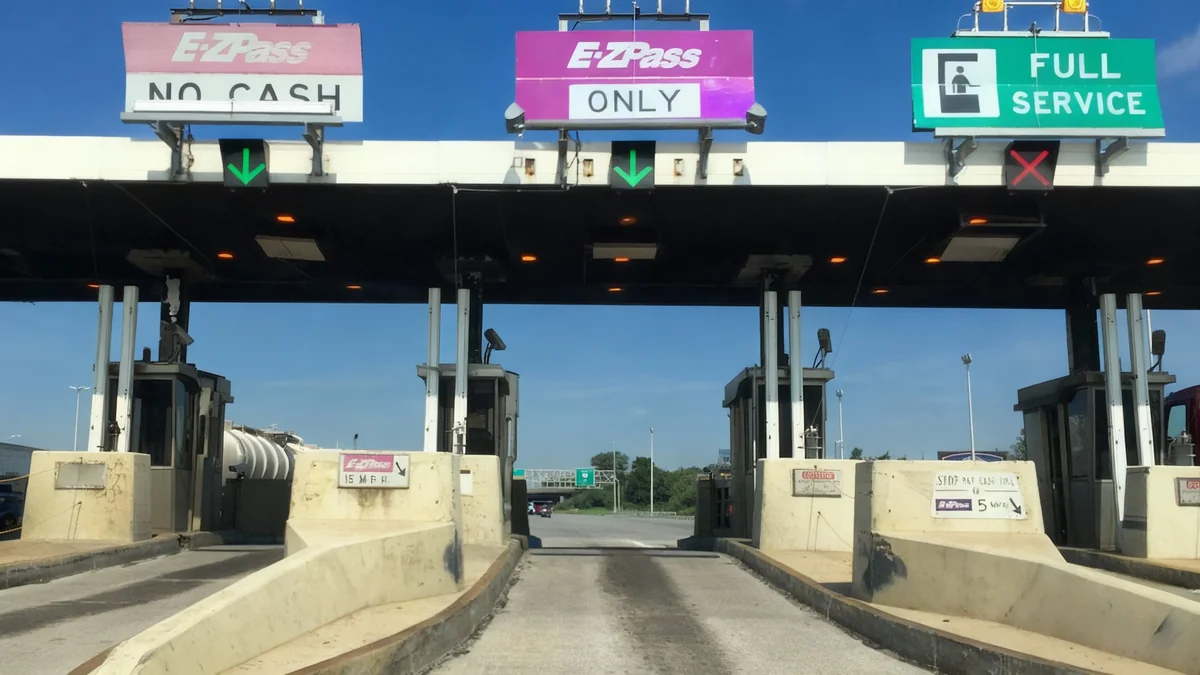
The changes are scheduled to be implemented automatically through the E-ZPass system and at cash lanes, ensuring a seamless transition on the first day of the year. Transportation officials have framed the adjustment as a necessary step to keep the state's vital transportation arteries in good working order.
Official Justification for Higher Tolls
The revenue generated from the toll increase is earmarked for several key areas. According to transportation authorities, the primary goals are to cover rising maintenance and operating costs. The funds will also be used for debt service payments on existing bonds that have financed past infrastructure projects.
A portion of the new income is designated for bolstering reserve funds, which act as a financial cushion for unexpected repairs or emergencies. Additionally, the plan includes provisions to boost compensation for employees, aiming to attract and retain a skilled workforce to manage and maintain the complex highway systems.
A Multi-Billion Dollar Operation
The New Jersey Turnpike and Garden State Parkway are more than just roads; they are massive economic engines. The newly adjusted toll rates are projected to generate more than $2.3 billion in annual revenue. This funding is critical for a wide array of activities, from daily pothole repairs and snow removal to long-term bridge replacements and highway widening projects.
Officials argue that without such regular, modest increases, the highway authorities would face significant shortfalls, potentially leading to deferred maintenance and a decline in roadway safety and quality. They position the hike as a proactive measure to ensure the long-term viability of the state's infrastructure.
Motorist Advocacy Group Pushes Back
The decision has not been met with universal approval. The National Motorists Association (NMA), a driver advocacy group, has launched a public campaign opposing the increase. The organization is circulating a petition that calls on outgoing Governor Phil Murphy to veto the toll hike before he leaves office.
The NMA argues that the burden on drivers is becoming unsustainable, especially in the context of other economic pressures. The petition emphasizes the need for greater transparency and fairness in how tolls are set and implemented.
"This is a real chance to stop or reduce this toll hike and push for fairer, more transparent toll-setting in the future – but it will only happen if the Governor hears from enough motorists," the petition states.
The group's central argument focuses on the timing of the decision, which comes just as a new administration is set to take power.
A Question of Political Timing
A key point of contention for opponents is the political transition. The toll increase is set to go into effect just as Governor-elect Mikie Sherrill prepares to begin her term. The NMA's petition suggests that such a significant financial decision should be left to the incoming governor.
The petition argues that the new administration should have the opportunity to review the state's financial situation and align any tolling decisions with its own policy priorities, particularly those related to affordability.
"With the increase proposed to go into effect in January, the impact on New Jersey motorists will be felt immediately under the new governor’s watch and she should be the one to make the decision," the petition continues. "Please allow Governor-elect Sherrill to decide on toll increases in conjunction with the other affordability issues she has promised to address."
This places the outgoing governor in a difficult position: either approve a measure that will impact residents financially or leave a potentially contentious decision for his successor. For New Jersey drivers, the outcome will directly affect their daily travel costs as they head into the new year.