A mechanical failure on an older Red Line train caused significant disruptions at Harvard station during the evening rush hour on Thursday, October 9. The incident resulted in severe platform crowding and extensive delays across the line, highlighting ongoing challenges with the MBTA's aging fleet.
Key Takeaways
- An MBTA Red Line train experienced a mechanical failure at Harvard station during the Thursday evening commute.
- The breakdown led to major service delays, shuttle bus implementation, and severe overcrowding on station platforms.
- The incident involved one of the older train models in the Red Line fleet, drawing attention to the system's infrastructure and maintenance issues.
- Commuters expressed frustration over the disruption, which affected thousands of passengers traveling through the busy Cambridge transit hub.
Rush Hour Service Grinds to a Halt
Commuters on the Massachusetts Bay Transportation Authority (MBTA) Red Line faced a difficult journey home on Thursday evening. A train traveling through Harvard station stopped unexpectedly due to a mechanical issue, effectively blocking a key section of the track during one ofthe busiest times of the day.
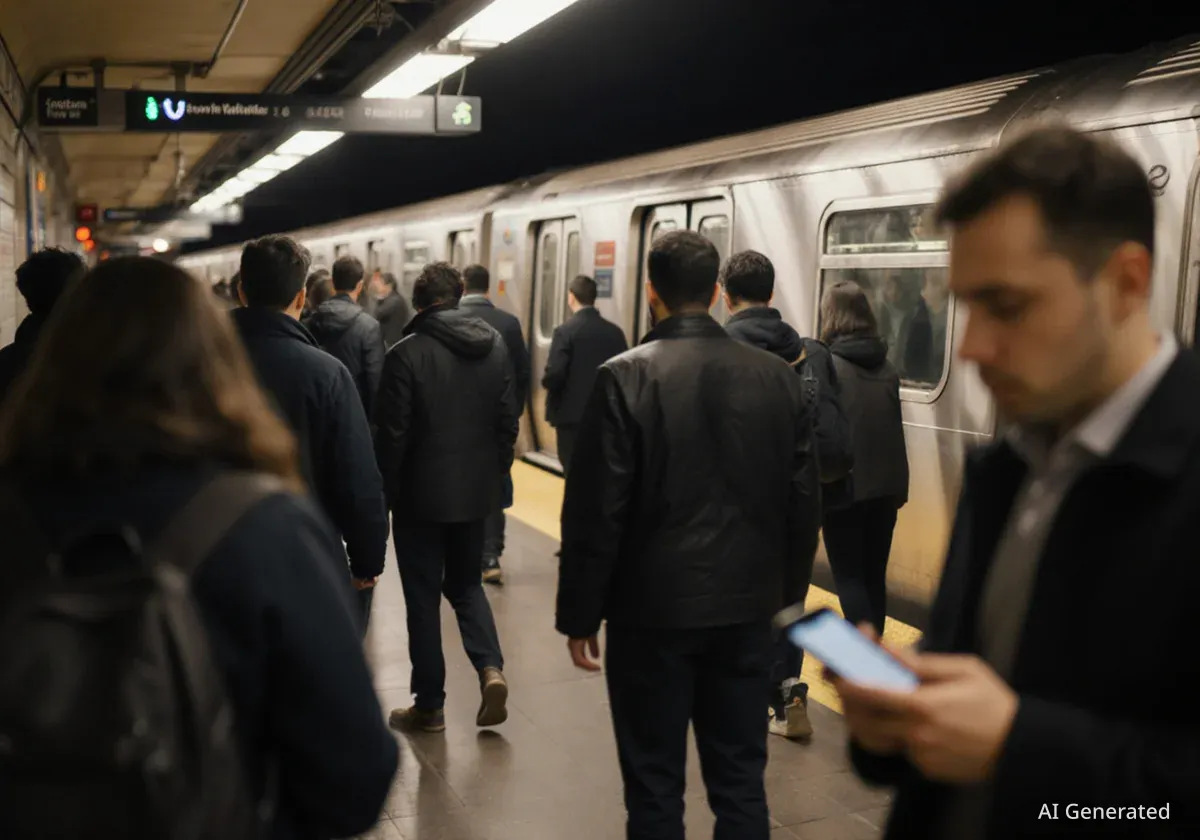
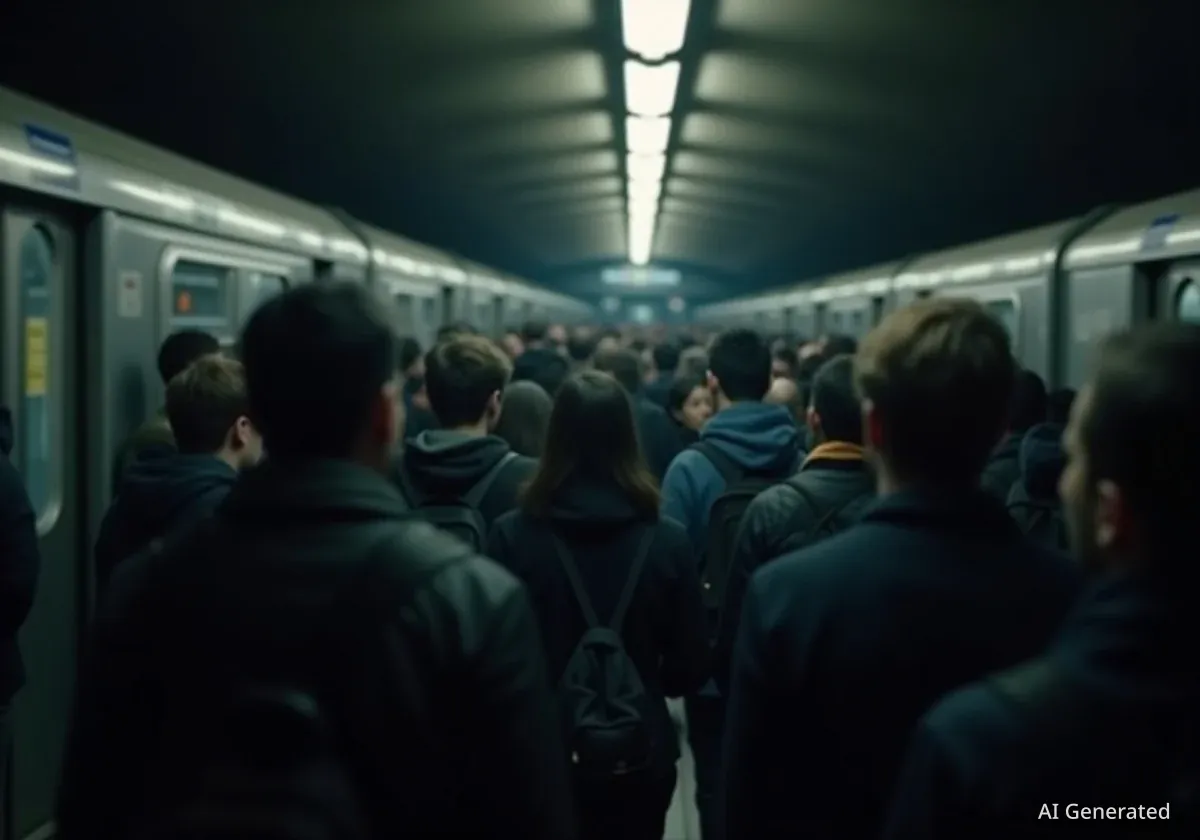
Reports from the scene, including photographs shared by passenger Thomas Connor, showed platforms packed with hundreds of stranded riders. The sudden halt in service led to a rapid buildup of passengers, with crowds extending from the platform up the station's escalators and into the main concourse.
The MBTA responded by suspending service between Alewife and Park Street stations. The agency deployed shuttle buses to transport passengers between the affected stops, a common but often slow alternative during major service disruptions. The ripple effects were felt across the entire Red Line, with residual delays impacting both the Ashmont and Braintree branches.
Immediate Impact on Commuters
Passengers at Harvard station described a chaotic and frustrating scene. With limited information available in the initial moments of the failure, many were left waiting on the crowded platform. The situation was particularly challenging for those trying to make connections or reach destinations on a tight schedule.
"The platform was a sea of people. We were packed shoulder-to-shoulder with nowhere to go," one commuter posted on social media. "It’s the kind of delay that completely upends your evening."
The implementation of shuttle buses created further congestion at street level around Harvard Square, a typically busy area. Lines for the buses grew quickly, adding to the overall travel time for those affected by the train failure.
Harvard Station by the Numbers
Harvard station is one of the busiest hubs in the MBTA system. Before recent shifts in ridership, it served an average of over 23,000 passengers on a typical weekday, making any service disruption during peak hours highly impactful.
Aging Fleet a Persistent Challenge
The incident has once again focused attention on the age and reliability of the MBTA's vehicle fleet. While the agency is in the process of introducing new Red Line cars, a significant portion of the trains still in service are decades old. Some of the older models date back several decades, making them more susceptible to mechanical failures.
Maintaining such an old fleet presents numerous challenges. These include sourcing obsolete replacement parts, higher maintenance costs, and an increased likelihood of in-service breakdowns. These failures not only cause immediate delays but also erode public confidence in the transit system's reliability.
The MBTA's Fleet Modernization Program
The MBTA has a long-term plan to replace its entire fleet of Red and Orange Line cars. The program aims to increase capacity and improve reliability with modern, state-of-the-art trains. However, the rollout has faced its own set of delays, meaning older cars must remain in service longer than originally planned.
According to transit advocates, incidents like the one at Harvard station are a direct consequence of historical underinvestment in public transportation infrastructure. They argue that consistent funding is necessary to complete modernization projects and prevent such service disruptions from becoming a regular occurrence.
Reliability and the Commuter Experience
For daily riders, train reliability is a critical factor. Unexpected delays can lead to missed appointments, lost wages, and significant personal stress. The consistency of service is essential for the thousands of people who depend on the MBTA for their daily transportation needs.
The MBTA has stated that improving service reliability is a top priority. The agency's capital investment plans include not only new vehicles but also upgrades to tracks, signals, and power systems. These comprehensive upgrades are designed to create a more resilient and efficient transit network.
- Frequent Breakdowns: Older vehicles are more prone to mechanical issues, leading to service interruptions.
- Maintenance Strain: Keeping decades-old trains operational requires intensive maintenance and specialized parts.
- Passenger Impact: Delays cause overcrowding, frustration, and a negative perception of public transit.
While the new trains promise a better future for the Red Line, commuters must currently navigate a system where older, less reliable vehicles are still a significant part of the daily operation. The failure at Harvard station serves as a stark reminder of the transition period the MBTA is currently in and the operational challenges that persist.