
Rome officially opened two new subway stations on Tuesday, December 16, 2025, including a significant stop directly beneath the iconic Colosseum. This new station, part of the Metro C line, offers commuters and tourists a unique blend of modern transportation and ancient history, featuring displays of archaeological discoveries unearthed during its construction.
Key Takeaways
- Rome's new Colosseum Metro C station displays ancient artifacts.
- The station features ruins of a first-century dwelling, including a cold plunge pool and thermal bath.
- Another new station, Porta Metronia, reveals a second-century military barracks.
- The Metro C line has faced two decades of delays due to extensive archaeological finds and complex engineering.
- The full Metro C line is expected to cost around 7 billion euros and be completed by 2035.
A Journey Through Time at the Colosseum Station
Visitors to the Colosseum station can now explore a fascinating underground museum. The displays include ceramic vases, plates, stone wells, and suspended buckets. Perhaps most striking are the ruins of a first-century dwelling, complete with a cold plunge pool and thermal bath. These artifacts provide a direct link to Rome's rich past, offering a tangible sense of the daily lives of ancient Romans.
Large screens within the station showcase the detailed excavation process. This visual element not only educates archaeology enthusiasts but also helps explain the extensive time required to complete the station. The integration of these historical elements transforms a simple transit stop into an immersive cultural experience.
Did You Know?
More than 500,000 artifacts have been discovered so far during the construction of Rome's Metro C line by the consortium led by Webuild.
Engineering Challenges and Archaeological Riches
The Metro C subway line, a multibillion-euro project, has been under construction for two decades. Its progress has been significantly slowed by bureaucratic hurdles, funding delays, and the crucial need for extensive archaeological excavations. Building a modern subway system beneath a city with thousands of years of layered civilizations presents unique challenges.
"The challenge was … building it under such a large amount of groundwater and at the same time preserving all the archaeological finds that we found during the excavation, and all this while preserving everything that is above," stated Marco Cervone, construction manager for the Webuild-led consortium.
Engineers have employed advanced techniques to navigate Rome's delicate underground. These methods include freezing the ground to stabilize soil and using sacrificial diaphragms—concrete walls built perpendicular to perimeter walls that are demolished as excavation proceeds. These measures are vital for protecting both the ongoing construction and the invaluable historical layers above and around it.
Porta Metronia Reveals Military History
Another new station, Porta Metronia, opened simultaneously with the Colosseum stop. Located one stop away, this station also sits at a depth of approximately 30 meters (about 100 feet). Its construction uncovered a significant discovery: a nearly 80-meter (260-foot) military barracks dating back to the early second century.
This military structure was found at depths between 7 and 12 meters (22 and 39 feet). Simona Moretta, the scientific director of the excavation, explained the evidence supporting its military purpose.
"Surety that it was a military building is given by the fact that the entrances to the rooms are not facing each other, but are offset, so that the soldiers could leave the rooms and get in line without colliding in the corridor," Moretta told reporters.
The soldiers stationed here likely served as part of the emperor’s guard or contributed to city security. The site also includes a home with well-preserved frescoes and mosaics, further enriching the historical narrative. A dedicated museum within the Porta Metronia station is planned for future opening.
Metro C Line: A Long-Term Vision
The Metro C line is a long-term infrastructure project for Rome. Three-quarters of its 31 stations are now operational. The total cost is projected to reach approximately 7 billion euros ($8.3 billion). The entire line is expected to be completed by 2035. Once finished, the line will span 29 kilometers (18 miles), with 20 kilometers (12 miles) underground, and is designed to carry up to 800,000 passengers daily.
Future Expansion and Cultural Heritage
The Metro C line's route extends beyond the Colosseum, passing under some of the world's most significant cultural heritage sites. These include Trajan's Column and the Basilica of Maxentius, the largest building in the Roman Forum. The line will also run beneath prized Renaissance palaces, historic churches, and even near the Vatican.
The next major stop planned is Piazza Venezia, situated at the heart of Rome's city center. Subway cars are expected to arrive at this station, located 48 meters (157 feet) deep, when it opens in 2033. This ambitious project aims to modernize Rome's public transport while meticulously preserving its unparalleled historical legacy.
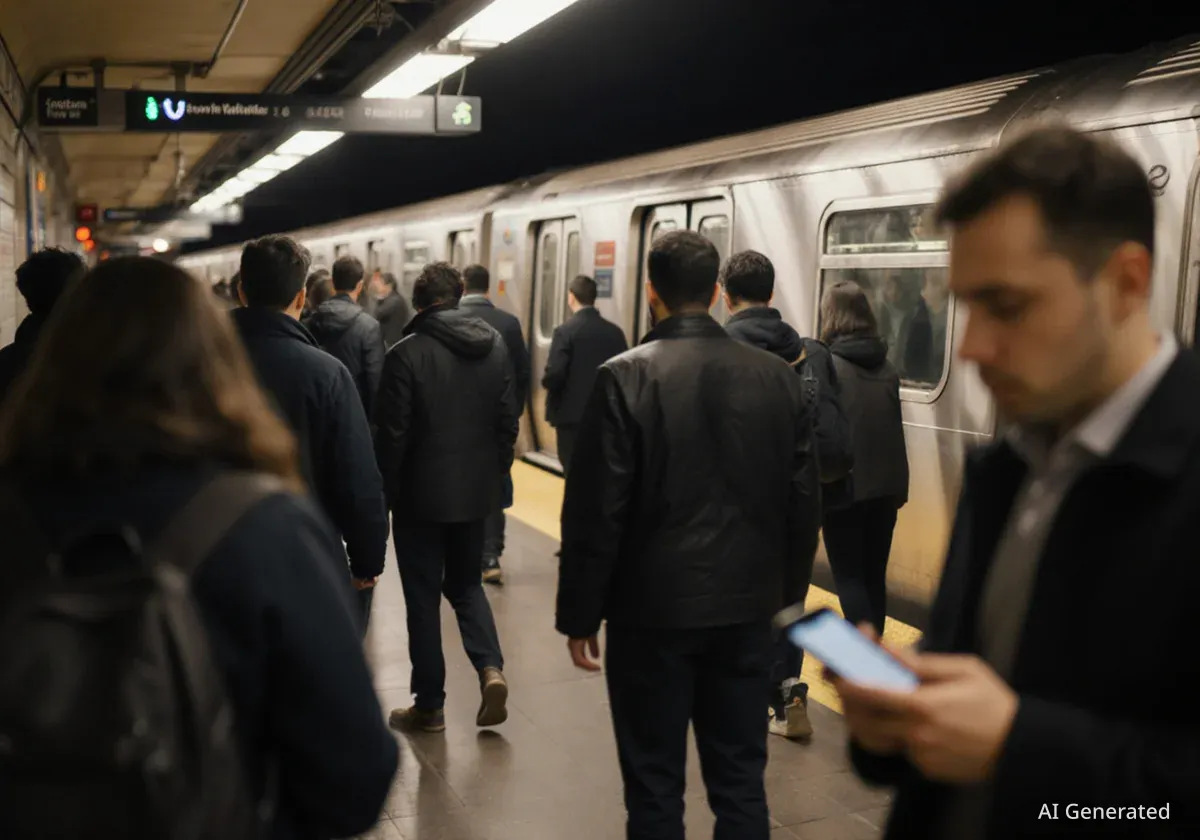
The new subway stations offer a practical benefit for both residents and tourists. They will help bypass Rome's often-congested surface traffic, which has been exacerbated by the construction projects themselves in recent years. This improved connectivity will make it easier for visitors to access the Colosseum and other historic sites in the city's ancient core, transforming the daily commute into a journey through history.