The UK government has announced a freeze on regulated rail fares, a move aimed at helping citizens manage the ongoing cost-of-living crisis. This decision, confirmed by the Treasury, will take effect in March and applies to a wide range of tickets, including season tickets and various peak and off-peak returns.
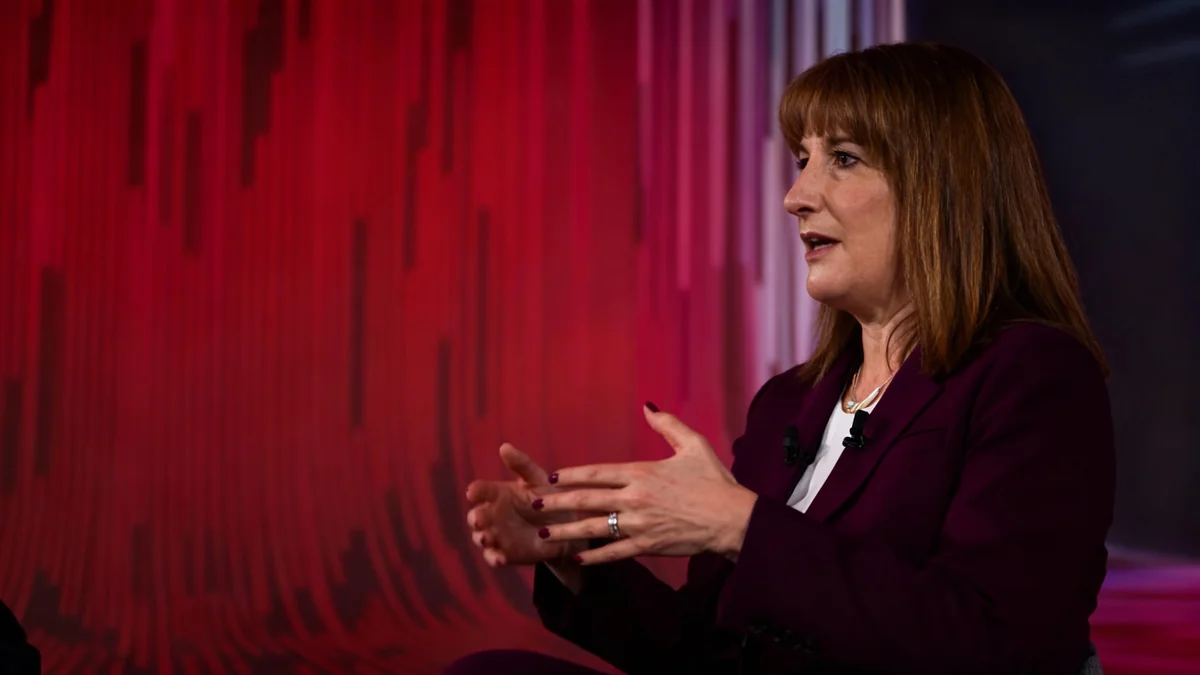
This initiative comes as Chancellor of the Exchequer Rachel Reeves focuses on alleviating financial pressure on households and controlling inflation. Regulated rail fares traditionally see increases in line with inflation figures each year.
Key Takeaways
- UK government freezes regulated rail fares.
- Freeze applies to season tickets, peak returns, and off-peak inter-city tickets in England.
- Measure aims to assist with cost-of-living and curb inflation.
- Changes will come into effect in March.
Impact on Commuters and Travelers
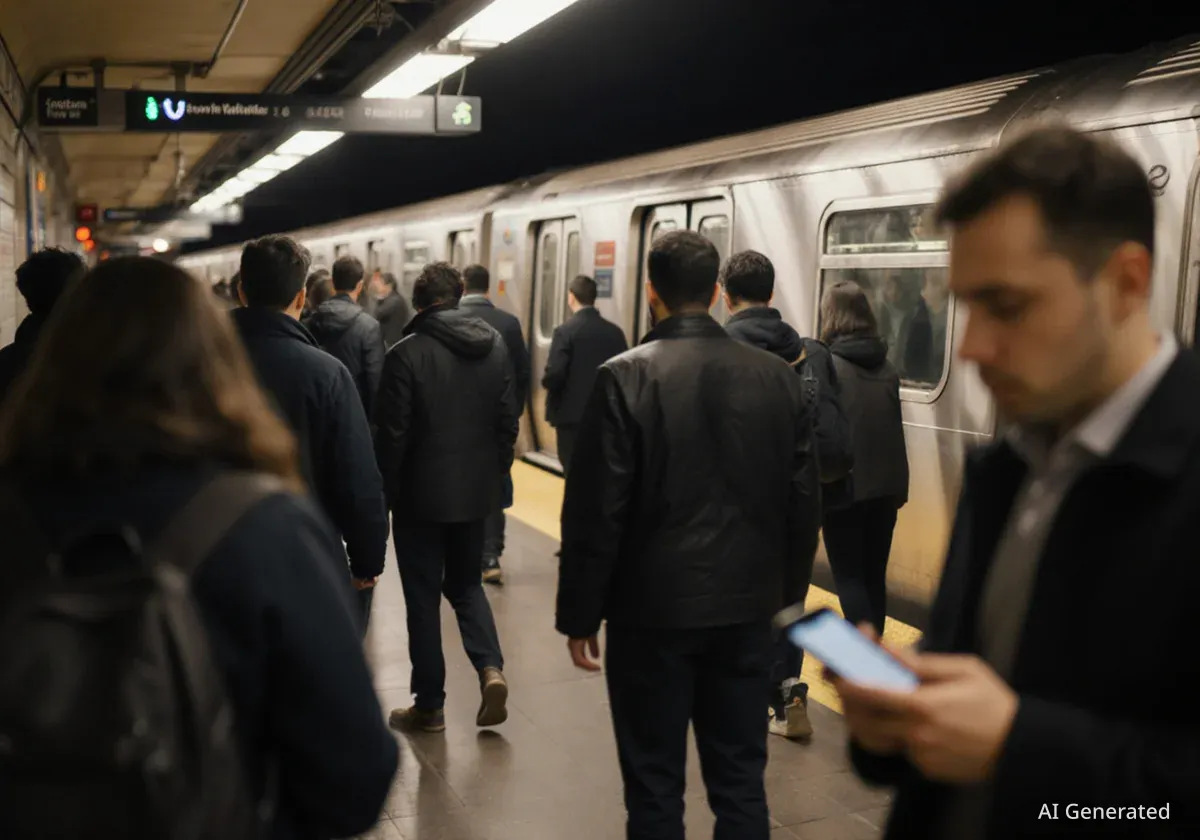
The freeze directly affects millions of daily commuters and inter-city travelers across England. Season ticket holders, who rely on trains for their regular journeys to work or education, will particularly benefit. This group often faces significant annual cost increases.
Peak return tickets, typically used by those traveling during busy morning and evening hours, are also included. Additionally, the freeze extends to off-peak return tickets for journeys between major English cities. This broad coverage means a significant portion of the rail-traveling public will see their fares held steady.
Fact: Regulated Fares
Regulated rail fares typically include around 45% of all fares. These are set by the government, unlike unregulated fares which are determined by train operating companies.
Financial Relief for Households
The decision to freeze fares is a direct response to the persistent cost-of-living pressures facing UK households. Inflation has driven up prices across various sectors, from food to energy. By stabilizing a key household expense like transport, the government aims to provide tangible financial relief.
"Freezing rail fares is a practical step to support families and individuals grappling with increased living costs. It provides certainty and eases financial strain for millions of commuters."
This measure is part of a broader strategy to manage the national economy. Containing inflation remains a primary objective, and by preventing a rise in transport costs, the government hopes to contribute to this goal.
Economic Context and Government Strategy
The UK economy has been navigating a period of high inflation and slow growth. Government policies have focused on a dual approach: providing targeted support to households and implementing measures to bring down the overall inflation rate.
Freezing rail fares is one such targeted intervention. It is designed to have an immediate, noticeable impact on the personal budgets of those who rely on train travel. This approach also signals a commitment to addressing the economic challenges directly affecting everyday citizens.
Background: Rail Fare Increases
Historically, regulated rail fares have often increased by the Retail Price Index (RPI) measure of inflation, plus an additional percentage point. This has led to significant annual price hikes for many years.
Future Implications for Transport
While the freeze offers immediate relief, its long-term implications for the rail network are also a point of discussion. The railway system requires ongoing investment for maintenance and upgrades. Holding fares steady could impact revenue streams for these crucial projects.
However, supporters of the freeze argue that stimulating economic activity through consumer savings can indirectly benefit various sectors. A more affordable public transport option could also encourage greater use of trains, contributing to environmental goals by reducing car dependency.
Public Reaction and Broader Measures
Initial reactions to the fare freeze have been largely positive among commuter groups and consumer advocates. Many have consistently called for more affordable public transport, especially during periods of economic hardship.
This rail fare freeze is not an isolated policy. It is expected to be part of a package of measures announced in the upcoming budget. These measures are likely to address different facets of the cost-of-living crisis, from energy bills to food prices, aiming for a comprehensive approach to economic stability.
The government's focus remains on creating a stable economic environment where inflation is controlled and households feel less financial pressure. The rail fare freeze is a key component in demonstrating this commitment to the public.