Tulum, Mexico's famed Riviera Maya destination, is currently experiencing a notable decline in tourism, with hotel occupancy rates dropping by over 10% in September. This unexpected shift has raised concerns across the local hospitality sector, indicating a complex interplay of environmental, economic, and infrastructure-related challenges.
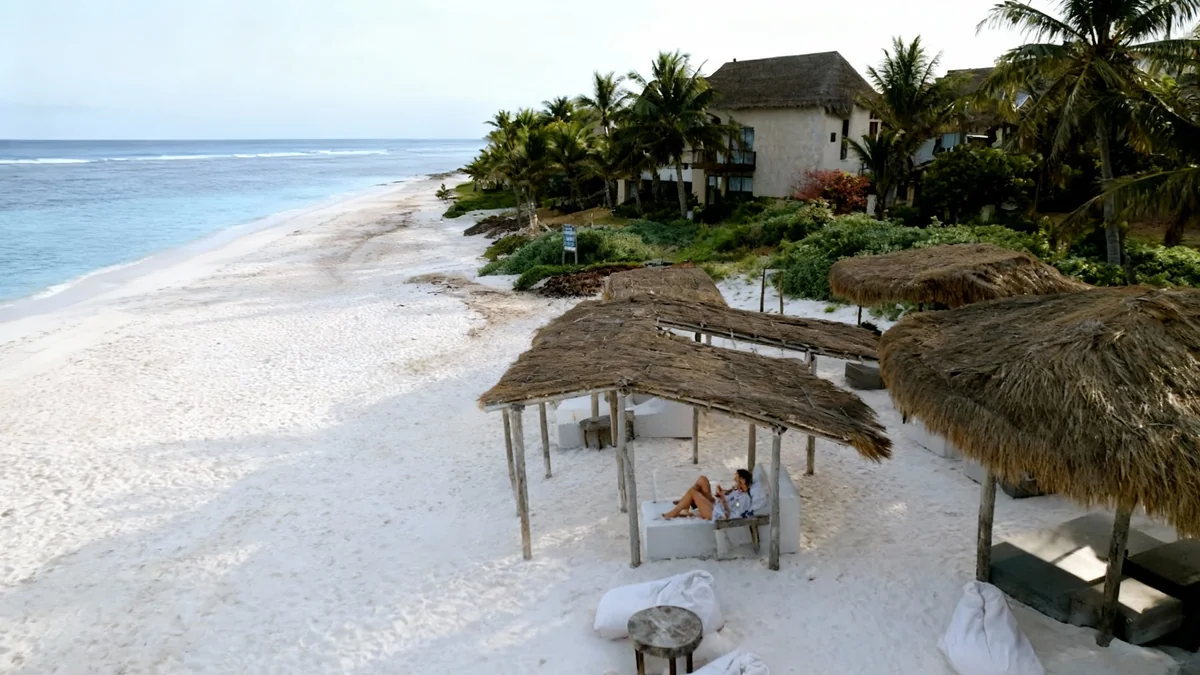
Once celebrated for its pristine beaches and vibrant atmosphere, Tulum is now navigating a period of reduced visitor numbers. This downturn has prompted local authorities and tourism officials to evaluate the underlying causes and develop strategies to revitalize the region's appeal.
Key Takeaways
- Hotel occupancy in Tulum fell by over 10% in September 2025, reaching barely 50%.
- Factors contributing to the decline include record sargassum seaweed arrivals, global economic uncertainty, rising local prices, and new government infrastructure projects.
- The new Tulum airport and Jaguar Park have reshaped tourist access and costs.
- Unregulated short-term rentals like Airbnb are cited as a major competitive challenge for traditional hotels.
- Local and state officials are working on measures to boost tourism and ensure public beach access.
Shifting Sands: Factors Behind the Decline
The recent drop in Tulum's tourism figures is not a singular event but rather the result of several converging factors. The region has grappled with an unprecedented influx of sargassum seaweed, which has affected the aesthetic appeal of its famous white-sand beaches. This environmental challenge coincides with a period of global economic uncertainty, influencing travel decisions and budgets worldwide.
Another significant factor is the rising cost of visiting Tulum. Once a more accessible destination, the area has increasingly positioned itself as a premium locale. This shift has led to higher prices for accommodations, dining, and excursions, potentially deterring some travelers.
Fact Check
In September 2025, Tulum's hotel occupancy rate barely reached 50%, a stark contrast to previous years of continuous growth. The area currently boasts 11,800 hotel rooms.
Impact of Government Projects
Two major Mexican government initiatives, the new Tulum International Airport and Jaguar Park, are also reshaping the tourism landscape. While intended to boost accessibility and environmental protection, they have introduced new dynamics.
For instance, a taxi ride from the new airport into town can cost nearly 1,500 pesos (approximately $80 USD). Excursions to the iconic archaeological site, a key attraction, are now priced around 3,000 pesos (about $160 USD) through tour operators.
"There isn’t a destination in the world that can keep growing forever," stated Toni Chaves, president of the Riviera Maya Hotel Association. He acknowledges a slight downturn in 2025 but does not see it as a lasting trend.
The Rise of Short-Term Rentals and Price Concerns
The proliferation of short-term rental platforms, such as Airbnb, presents a significant challenge to traditional hotels in Tulum. These platforms, often operating with fewer regulatory burdens and obligations, create what hoteliers describe as unfair competition.
Carlos Hermosillo, a visitor from Mexicali, Baja California, expressed his concerns about the escalating costs. He noted the significant increase in prices since his last visit in 2016, questioning the environmental impact of rapid development and the justification for high charges.
Context: Tulum's Premium Branding
Tulum has actively branded itself as a premium destination. It offers unique experiences like electronic music festivals, spiritual retreats, Mayan weddings, and luxury spa sessions, attracting a specific demographic of travelers.
Archaeological Site Access and Fees
The Tulum archaeological site, historically a top attraction, has seen a decrease in visitors over the past year. Data from Mexico’s National Institute of Anthropology and History (INAH) confirms this decline. The establishment of Jaguar Park, a protected natural reserve surrounding the site, has added new fees and altered access.
- Mexican visitors pay 355 pesos (about $20 USD) to enter the Castillo.
- Foreign visitors pay 515 pesos (around $28 USD).
The park, managed by the Mexican army’s new tourism company, has also restricted free entry to certain hotels, restaurants, and beaches in Tulum, further complicating the tourist experience. The famous cliffside beaches adjacent to the archaeological zone are now inaccessible to visitors, who must rely on photography tricks to capture the ruins and the sea together.
Unplanned Growth and Public Access Issues
Tulum's rapid development, particularly during the COVID-19 pandemic, has led to a range of planning issues. Digital nomads flocked to the town, drawn by its allure, but the expansion was largely unplanned.
José Manuel Jiménez, a hospitality professor at the Escuela Bancaria y Comercial (EBC), highlighted these challenges. "There have been problems with land-use planning, service provision, and tensions from rapid development, which impact the tourist experience," he explained.
Did You Know?
During the COVID-19 pandemic, Tulum became a popular spot for digital nomads, with celebrities like Dua Lipa visiting its beaches and sharing photos on social media.
Monopolization of Coastline and Solutions
A significant problem has been the monopolization of the coastline by hotels and restaurants in Tulum's main hotel zone. This has limited public access to beaches, despite Mexican law requiring designated public entry points. Many tourists found themselves effectively forced to enter beaches through private establishments, often requiring them to spend money.
In response to the crisis, Mexican Secretary of Tourism Josefina Rodríguez and Quintana Roo Governor Mara Lezama met with Tulum Mayor Diego Castañón. Mayor Castañón has taken steps to address the issue, securing agreements with fifteen hoteliers to allow public access through their properties.
"Fifteen hoteliers gave us permission for tourists to enter through private property, because the beaches are public — they belong to everyone," Mayor Castañón announced.
Looking Ahead: Hopes for Recovery
Despite the current challenges, officials remain optimistic about Tulum's future. Mayor Castañón believes tourism will rebound as early as November and December, anticipating a return to the destination's former vibrancy.
Professor Jiménez, however, offers a more cautious outlook, estimating that it could take at least 10 years to see a full return on investments and fully assess the impact of current governmental tourism plans. He stresses the need for Tulum to develop sustainable and specialized offerings, promoting responsible tourism and unique experiences, which he believes the destination has not fully achieved yet.
The ongoing efforts by local and state authorities, combined with a renewed focus on sustainable development and public access, aim to steer Tulum back towards its position as a thriving and beloved tourist destination.