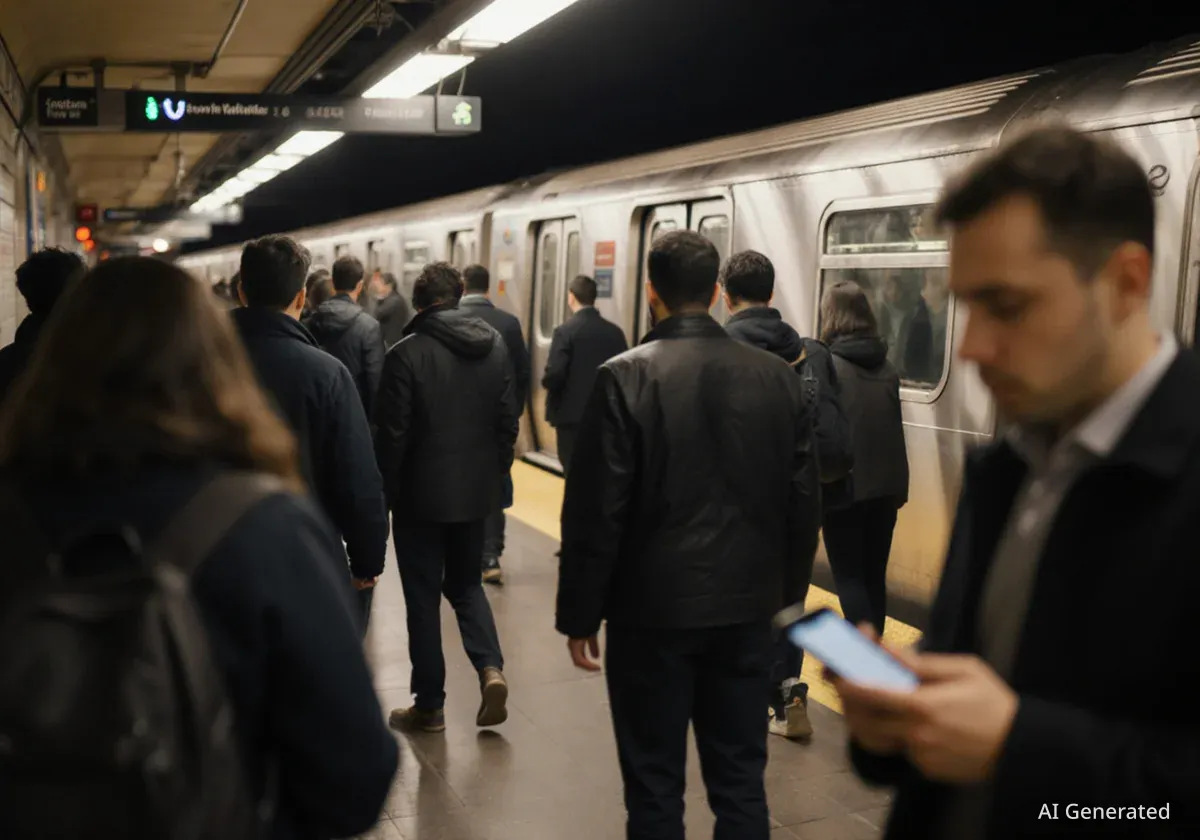

The Chicago Transit Authority (CTA) has announced plans to increase fares in 2026, following a similar proposal from Metra. This move comes as the Regional Transportation Authority (RTA) mandates all three Chicago-area transit agencies to raise fares by at least 10% next year to address an anticipated financial shortfall. The CTA describes its proposed fare adjustments as "modest" with a "minimal ridership impact."
Key Takeaways
- CTA proposes a $0.25 increase for bus and train base fares, bringing them to $2.50.
- Ventra single-ride tickets would rise to $3.50.
- Unlimited-ride passes (1-Day, 7-Day, 30-Day, Regional Connect) will also see price increases.
- The current three-day pass is slated for elimination to simplify options.
- Reduced fares will remain at or below 50% of full fares, complying with federal rules.
- Metra also plans fare increases, ranging from 13% to 15%.
Chicago Transit Agencies Face Funding Gap
Chicago's public transportation network, including the CTA, Metra, and Pace, is navigating a significant financial challenge. The Regional Transportation Authority (RTA), which oversees these agencies, has directed them to implement fare increases. This directive is part of a broader strategy to mitigate an approaching "fiscal cliff."
Initially, the RTA warned of a potential $771 million deficit. However, recent projections show a reduction in this budget gap, now estimated at $200 million. Despite this improvement, the need for increased revenue remains.
The CTA's proposed fare structure for fiscal year 2026 outlines specific changes for various ticket types. These adjustments aim to help bridge the funding gap while minimizing disruption for daily commuters.
Details of CTA Fare Adjustments
The CTA's proposed budget for fiscal year 2026 includes several fare changes. The base fare for both bus and train rides would increase by $0.25. This would raise the price from $2.25 to $2.50, representing an approximate 11% increase.
For those using Ventra single-ride tickets, the cost would rise to $3.50. Customers paying with contactless debit or credit cards for pay-as-you-go trips would see their fares increase to $3 per ride.
Did You Know?
The RTA requires all three Chicago transit agencies – Metra, CTA, and Pace – to raise fares by a minimum of 10% in the coming year.
Unlimited-ride passes are also subject to price adjustments to align with the new single-ride fares. The 1-Day Pass would increase by $1. The 7-Day Pass would see a $5 increase. The 30-Day Pass would go up by $10. The Regional Connect Pass would increase by $15.
According to the transit agency, the current three-day pass will be removed from the offerings. This change is intended "to streamline offerings" and simplify choices for riders. Reduced fares for eligible riders will continue to be set at or below 50% of the full fare, adhering to federal regulations.
The CTA stated it is "facing a sizeable structural funding gap in 2026 and beyond."
Metra's Own Fare Increase Proposal
The CTA's announcement follows a similar proposal from Metra, Chicago's commuter rail system. Metra plans to increase its rates by 13% to 15%. The exact percentage will depend on the specific fare product and the number of zones a passenger travels.
Background on Regional Transit
The Regional Transportation Authority (RTA) coordinates funding and planning for the CTA, Metra, and Pace. It ensures a unified approach to public transit across the Chicago metropolitan area, balancing service needs with financial sustainability.
These fare increases reflect ongoing financial pressures faced by transit agencies across the region. Metra, for instance, anticipates significant shortfalls in the coming years. Projections indicate deficits of $276.3 million in 2027 and $304.8 million in 2028 for Metra alone.
The collective efforts to raise fares are aimed at stabilizing the financial health of these essential public services. The goal is to ensure they can continue providing transportation options for millions of residents.
Public Input Opportunities
Both the CTA and Metra are providing opportunities for public feedback on their proposed budgets and fare increases. Public hearings allow residents to voice concerns and offer suggestions directly to transit officials.
The CTA will host a public hearing at 6:30 p.m. on Wednesday, November 5. This event will take place at the CTA headquarters, located at 567 W. Lake St. This is an important opportunity for riders and community members to engage with the transit authority.
- CTA Public Hearing: Wednesday, November 5, 6:30 p.m. at 567 W. Lake St.
Metra will also conduct a series of public hearings on its budget proposal. These hearings will precede a vote by Metra's board of directors, scheduled for November. Details regarding Metra's specific hearing dates and locations will be announced by the agency.
These public engagement sessions are a critical part of the budget approval process. They ensure that community perspectives are considered before final decisions are made on fare adjustments and service plans.